
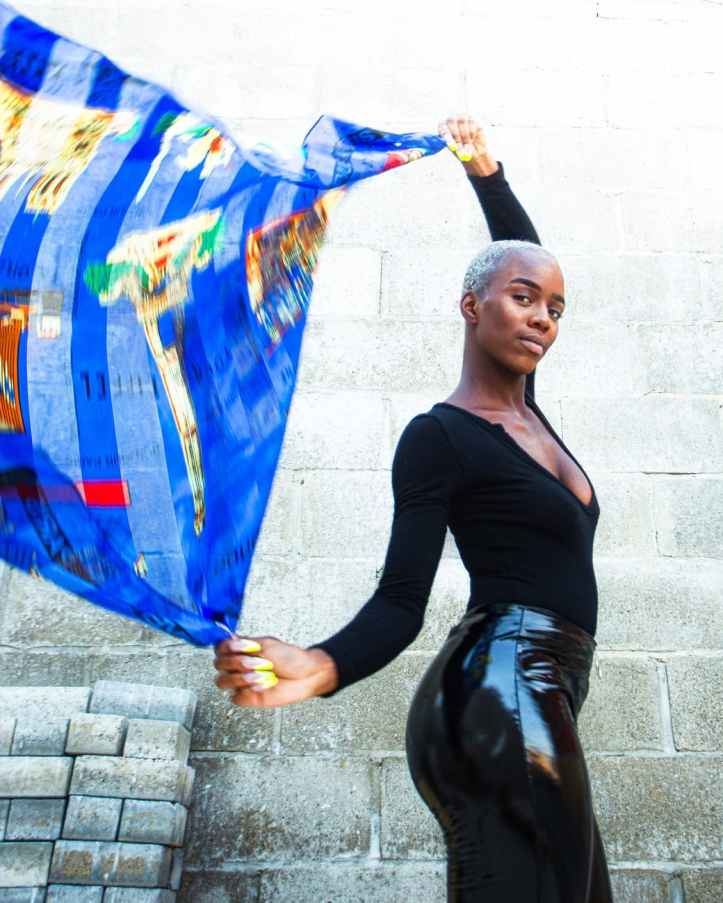
French women have an innate sense of style and they know that when it comes to accessorizing, a couple of well chosen items can really make an outfit stand out. For me personally, scarves are my go to item, (after shoes of course) to give an instant lift to an outfit. I have scarf collection to rival Imelda Marcos’s shoe collection. When packing for a holiday or trip, scarves will be an essential component of my luggage. They can also be inexpensive and sometimes if I really like a particular fabric, I will purchase a meter or so and just hem it and this is an economical way of having a lovely new and unique wardrobe item. YouTube has an amazing amount of videos on how to wear the scarf to make an outfit look spectacular and add a sense of style to any outfit. I recommend having a browse to get some great ideas on how to wear your scarf
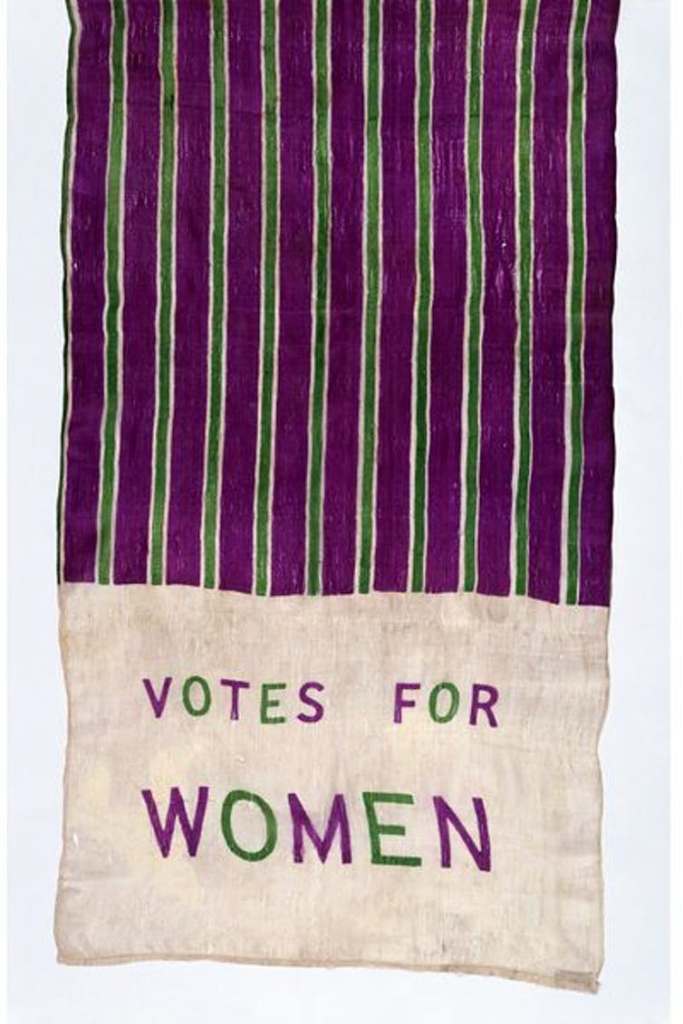
In this article we are informed of how important people are defined by their apparel and also as scarf wearers, how they are making a statement about who they are in this world From its significance as an emblem of solitary for our suffragette sisters in the early nineteenth century, to denoting a particular religious affiliation, the scarf is very much an item of apparel that is a constant in the wearers wardrobe . It is said the Empress Josephine was first introduced to the scarf by Napoleon , when he gifted her with a pashmina scarf on his return from one of his his military escapades. Following her initial skepticism , she went on to amass a collection of over 400 scarves over the next 3 years totaling 80,000 pounds. Napoleon, like the rest of us mortals, may have regretted this impulse buy ! {Woman after my own heart Josephine }
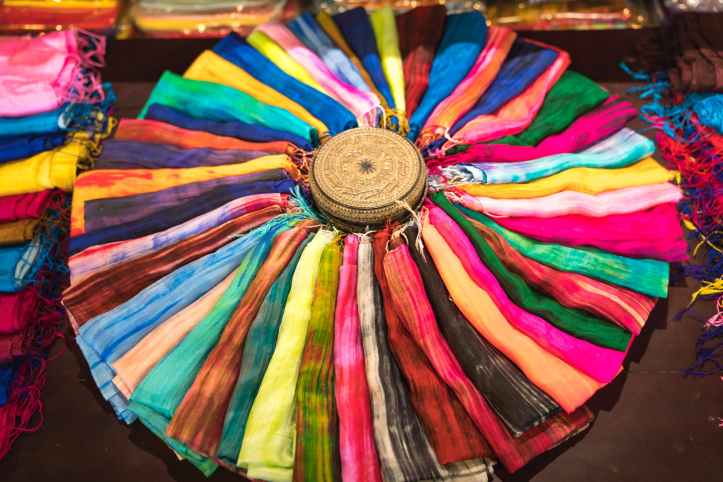
The history of the scarf goes back to 1350 BC Egypt when Queen Nefertiti wore a tightly woven scarf topped with a conical bejeweled headdress. The scarf also was used to denote rank in the military and under the Chinese Emperor Cheng, scarves made of cloth were used to denote rank in the military. Much later in Croatia, the higher ranks in the military wore silk scarves but the lower ranks were required to wear cotton scarves.I guess this is all about rank and class and prevails in all echelons of society, from Queen to peasant, a case of knowing your place so to speak and how we wear the humble scarf
A more contentious issue is the religious issue of scarf wearing and the politicizing of this issue. In some countries the banning of the burka has been hotly debated, citing that the face of the wearer is not visible to the forces of authority. Hopefully women will have a chance to speak up and be part of this decision making process if indeed it comes to be a law. In the Catholic faith as is the case with many other religions women are required to cover their heads and arms when entering places of worship. This requirement prevails today but only in certain European countries .
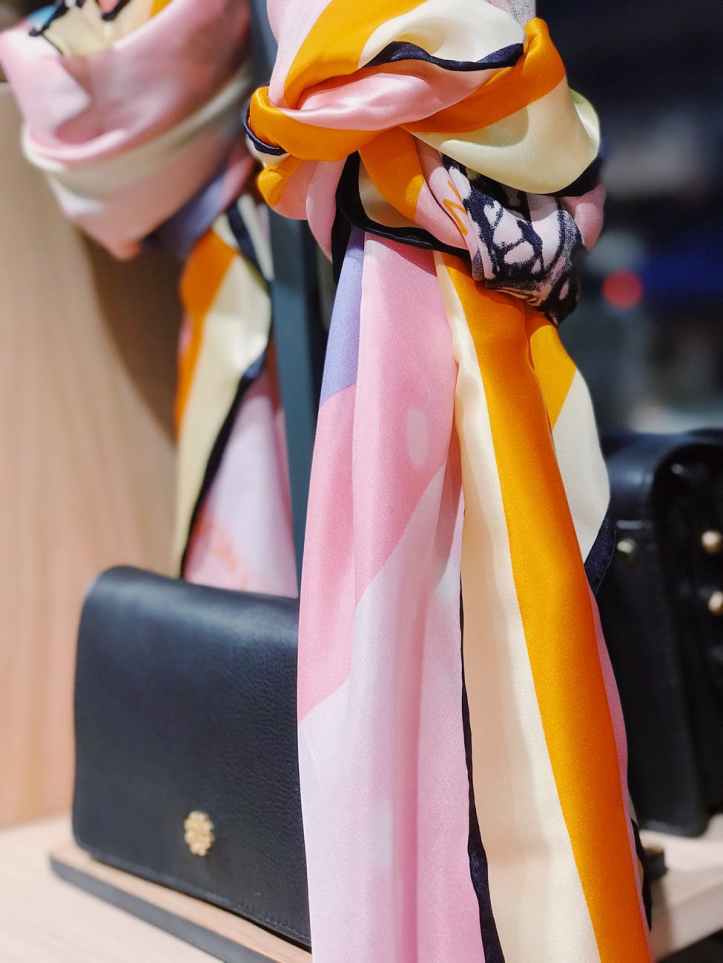
I think our love affair with the scarf as a fashion accessory is never ending. To have such a versatile item as a wardrobe accessory is positively life enhancing and whilst this may seem a frivolous statement to utter, I personally think the scarf can be an expression of our individuality and can also provide comfort, protection and modesty to the wearer
 Life & Living